Overall, the project represents a strategic investment in regional transport infrastructure, supporting economic growth, improving connectivity, and enabling the delivery of major development opportunities within the Ebbsfleet Garden City area.
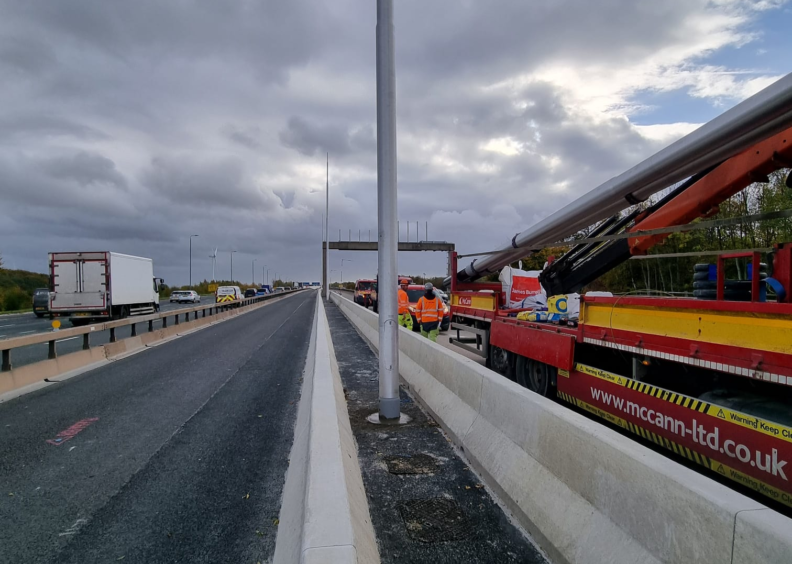
In 2021, Balfour Beatty appointed McCann to deliver the motorway communications, traffic signals, street lighting, CCTV, and electrical works package. McCann’s involvement was critical to ensuring the safe and efficient operation of the upgraded junctions while supporting the project’s wider objectives of improving network performance and future-proofing the corridor for continued growth.
Scope of Works:
Traffic Signs, Signals and Associated Civils:
- 301 x traffic signs
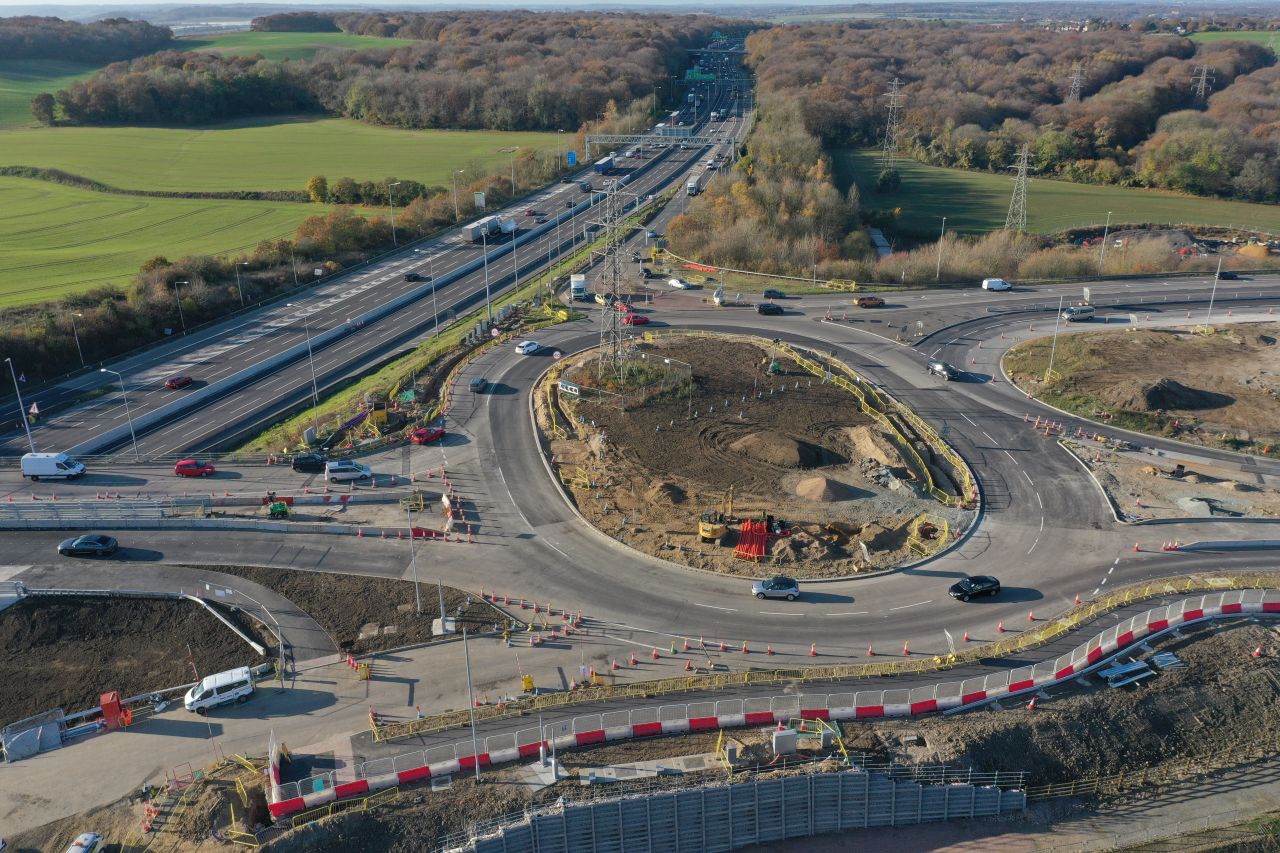
- 4 x traffic signal installations sites, J4 Ebbsfleet West Roundabout, J5 Ebbsfleet East Roundabout, A296 / B255 Roundabout Pedestrian Crossing and Bean North / Bean Bridge Pedestrian Crossing
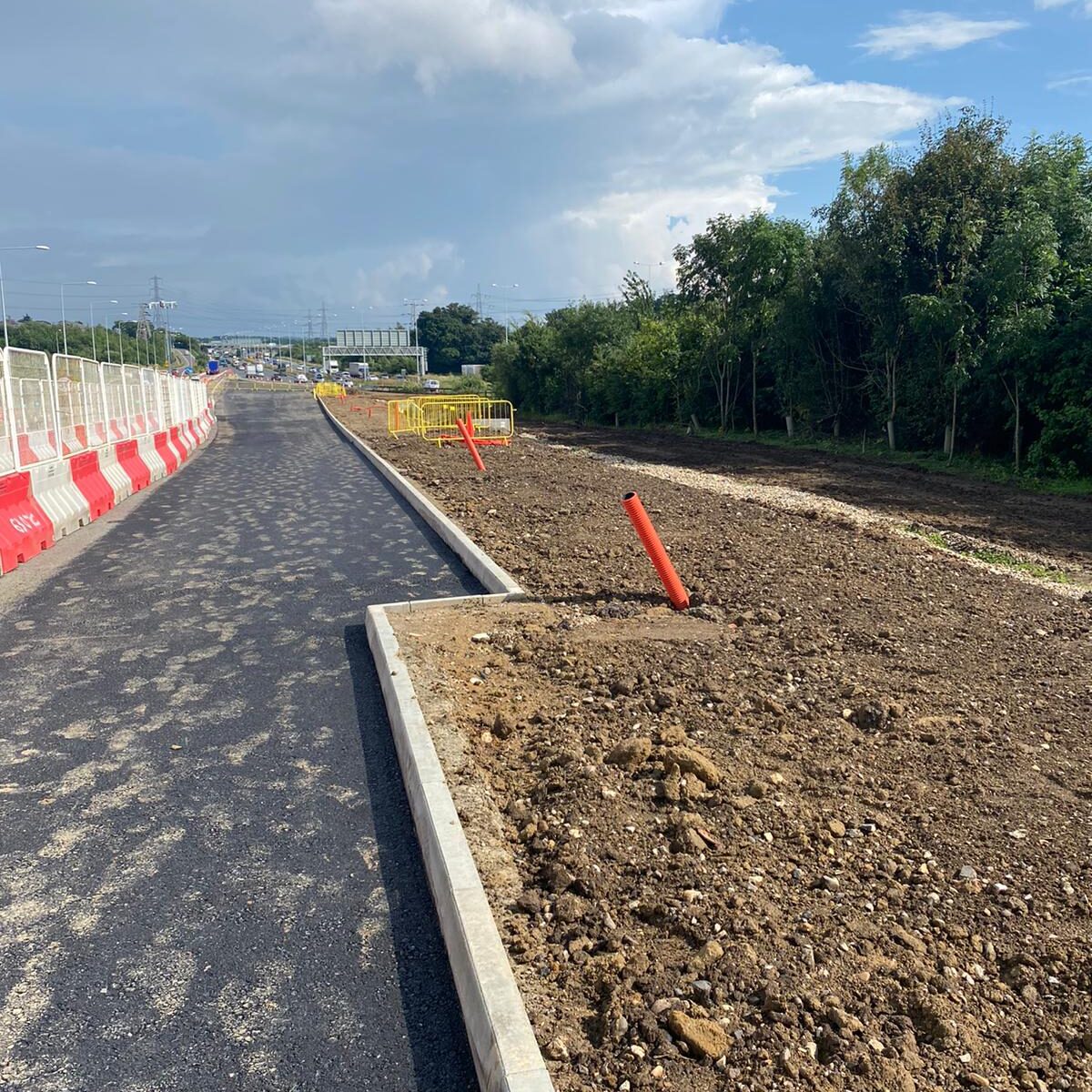
- 21,740m x Trenching, ducting and cabling
- 105 x Nal Socket RSDF 115 foundation to fit Grey Pole
- 35 x Cabinet base
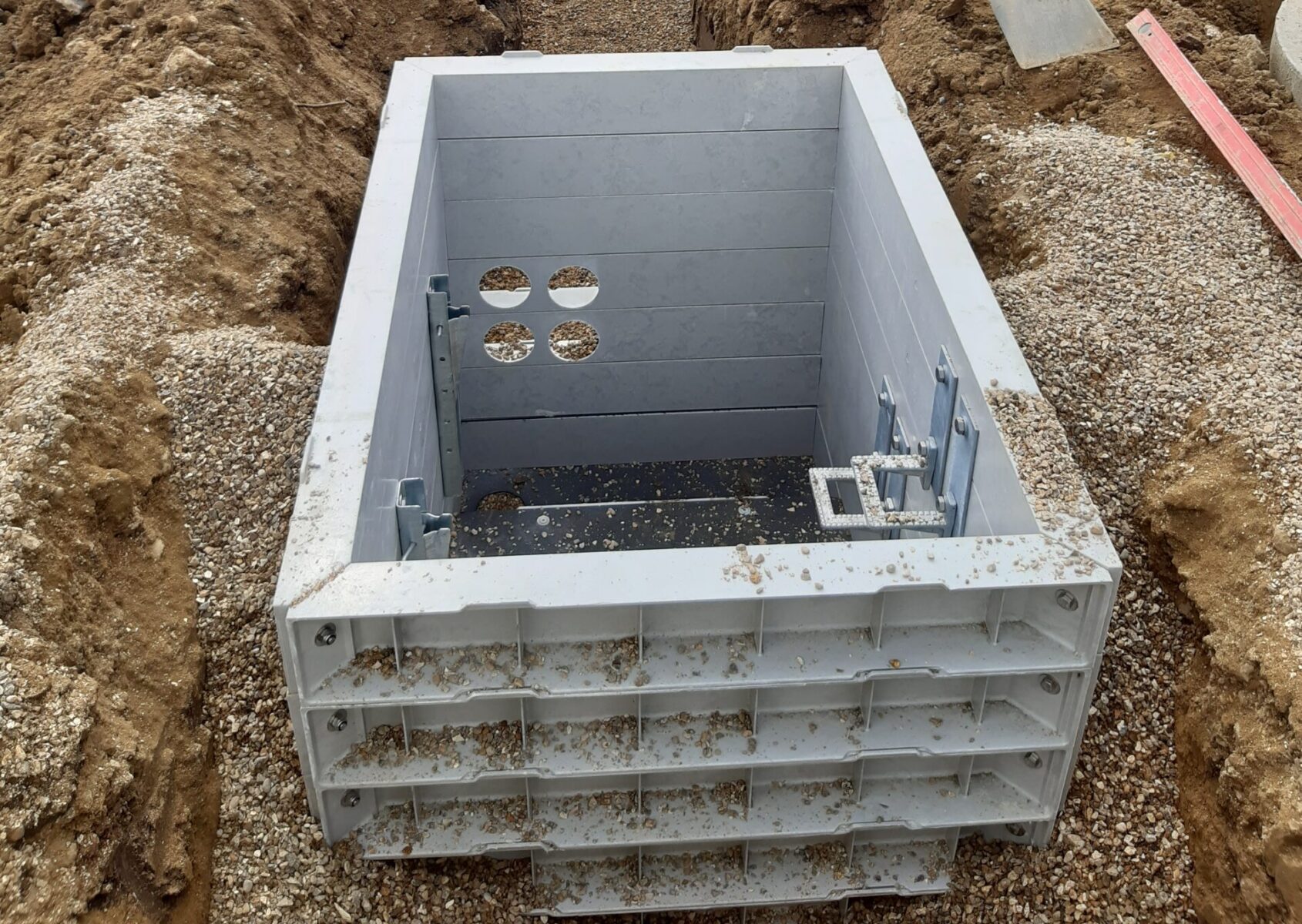
- 1,313 x access chambers
- 68 x Carriageway LoopBox
Communication Technology:
- 7,650m x Trenching, ducting and cabling
- 137 x Cable Joints and Terminations
- 19 x cabinets and 13 x cabinet internals
- 9 x entry slip-road Advanced Motorway Indicator (AMI) signal support structures
- 40 x chambers
- 11 x Installation and commission of MIDAS outstations and associated loops / side fire radar
- 11x Loop Detector Installation
- 2 x Gantry fit out incl. power and communication cabling, and terminations
- 2 x CCTV and Pan Tilt Zoom (PTZ) CCTV supply, install and commission
- 19 x Supply, Install & Commission Advanced Motorway Indicator (AMI)
Street Lighting:
- 134 x lighting
- 11 x replacement LED Lanterns to existing columns
- 21 x lighting for gantry
- 74,893m x trenching, cabling and ducting
- 75 x chambers
- 226 x terminations
- 5 x New Three-phase DNO Connections
- 7 x feeder pillars
Navigating construction within the heart of a well-established residential area
The project took place right in the heart of well-established residential areas, and within walking distance of the fifth largest shopping centre in the UK, Bluewater Shopping Centre. The scheme required construction activities to be carefully planned around local residents, businesses and existing pedestrian routes. Throughout the works, public footpaths crossing the site had to remain accessible, with clearly signed alternative routes provided whenever temporary closures were necessary, ensuring uninterrupted pedestrian connectivity without the need for alternative transport arrangements.
Extensive community engagement was undertaken in accordance with Section 61 (of the Control of Pollution Act 1974) requirements, with residents receiving advance notification of upcoming works, construction activities and potential impacts, including noise, dust and temporary traffic restrictions. Attention was given to the Bean Junction works, where night-time construction was required adjacent to residential properties. Following Section 61 guidance, a range of mitigation measures were implemented, including the use of quieter lighting systems in place of diesel-powered tower lights, careful positioning of task lighting to minimise disturbance, defined working hours and restrictions on specific activities during sensitive periods. Acoustic barriers were installed around high-noise operations, such as vacex equipment, while the workforce received regular briefings and toolbox talks to reinforce awareness of sensitive areas and the importance of positive engagement with the local community. These measures enabled the project team to successfully balance construction requirements with the needs of neighbouring residents.
Supporting a local supply chain
To support a local and socially responsible supply chain, all signage for the project was sourced from local supplier Royal British Veterans Enterprise (RBVE) and Britain’s Bravest Manufacturing Company, the UK’s leading social enterprise for employing military veterans and people with disabilities, as well as a national market leader in the manufacture of road and rail signs. 70% of their workforce are Armed Forces veterans, individuals with physical or mental disabilities, or both, meaning the project not only strengthened the local economy but also delivered meaningful social value through inclusive employment opportunities.
Embedded delivery model
Collaboration and partnering were key to the successful delivery of the project. Our team operated within an embedded delivery model, becoming an integral part of the client’s project team throughout the programme. This approach fostered close working relationships with all key stakeholders, including the client, the local authority, Balfour Beatty, Atkins, and the wider supply chain. Weekly in-person coordination meetings were held every Wednesday, providing a dedicated forum to review project targets, costs, programme progress, and design development. Any emerging issues or challenges were openly discussed and resolved collaboratively, ensuring timely decision-making and maintaining project momentum. By sharing the site office with the wider project team, we were able to facilitate continuous communication, strengthen working relationships, and support a highly collaborative project environment.
Digital delivery
The A2 scheme was one of McCann’s first fully digital delivery projects, with teams working directly from digital models rather than traditional drawings. This enabled construction methodologies and potential challenges to be reviewed much earlier in the project lifecycle.
The transition to digital delivery required a complete review of pre-construction, construction, and handover processes. New procedures were developed to ensure models could be effectively accessed and used by site teams via tablets and mobile devices. Models were tailored to specific assets and work areas, making information practical and accessible on-site.
The digital approach also drove improvements to our quality management processes. McCann’s Integrated Management System (MIMS), a bespoke system that provides an overview of all site activities and digitalised paperwork, including RAMS, observations and works orders, procedures were enhanced through pre-populating check sheets, advanced document creation, and consolidated records covering the full construction lifecycle of each asset. Our clients were given access to a dedicated MIMS portal providing real-time visibility of quality records and progress.
McCann maintained asset labelling throughout the construction, using MDM (Master Data Management) reports to digitally asset tag, and provide comprehensive asset records to support future maintenance and lifecycle management.
McCann’s involvement extended beyond its usual scope through to SAT 3 and final handover into maintenance, providing valuable experience in end-to-end asset transition and maintenance integration.
The A2 Bean and Ebbsfleet Junction Improvements project demonstrates McCann’s ability to successfully deliver complex technology and infrastructure packages within a live, highly constrained environment. Through close collaboration with Balfour Beatty and the wider project team, the adoption of innovative digital delivery methods, and a strong focus on quality, community engagement and social value, McCann helped deliver a future-ready transport corridor that will improve journey reliability, enhance road safety and support the long-term growth of the Thames Gateway and Ebbsfleet Garden City areas. The project not only showcases McCann’s technical expertise across communications, traffic signals and street lighting, but also reinforces our commitment to collaborative delivery, operational excellence and leaving a lasting positive legacy for clients, communities and the wider road network.