Developing a solution for existing RME units
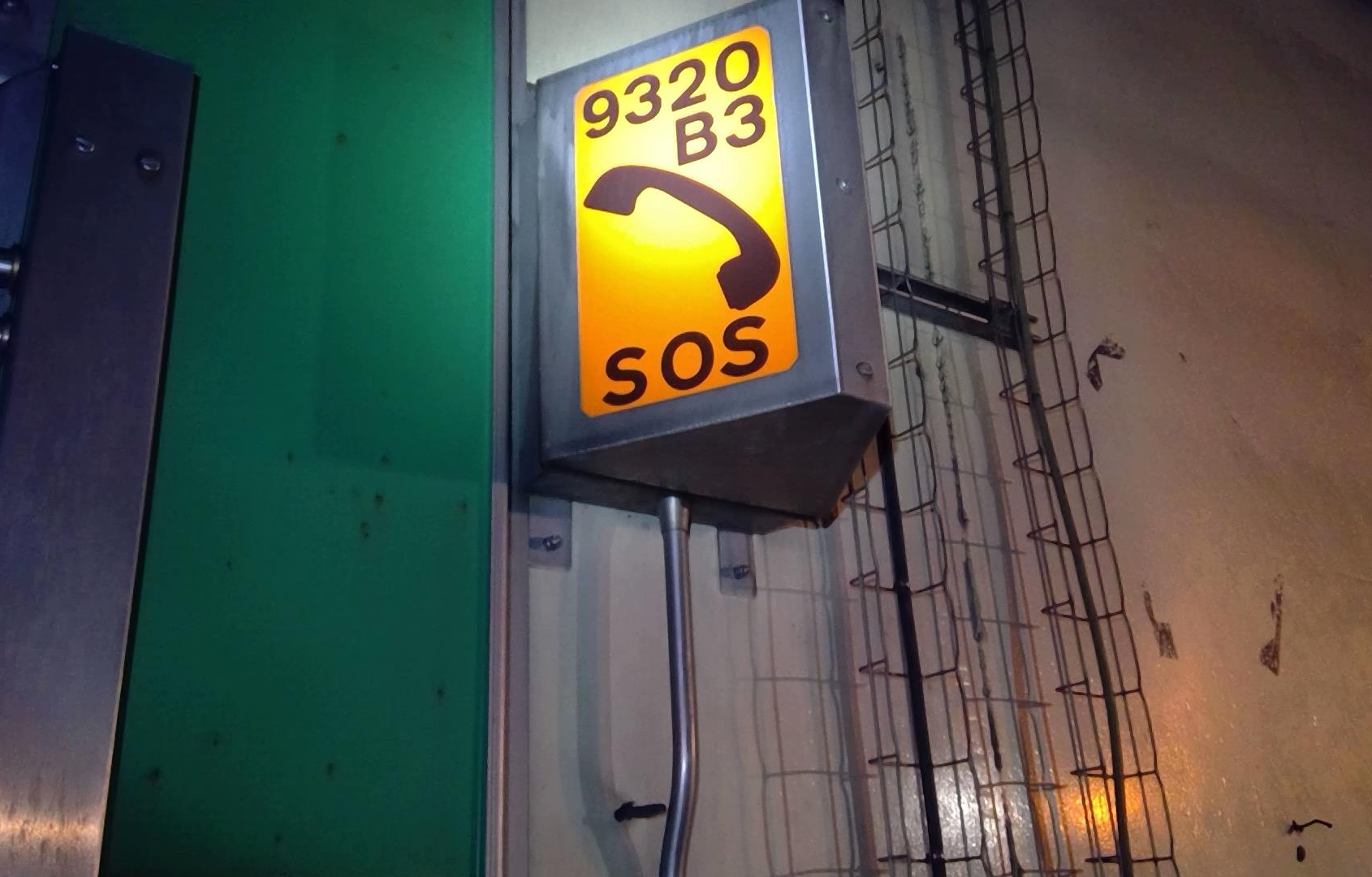
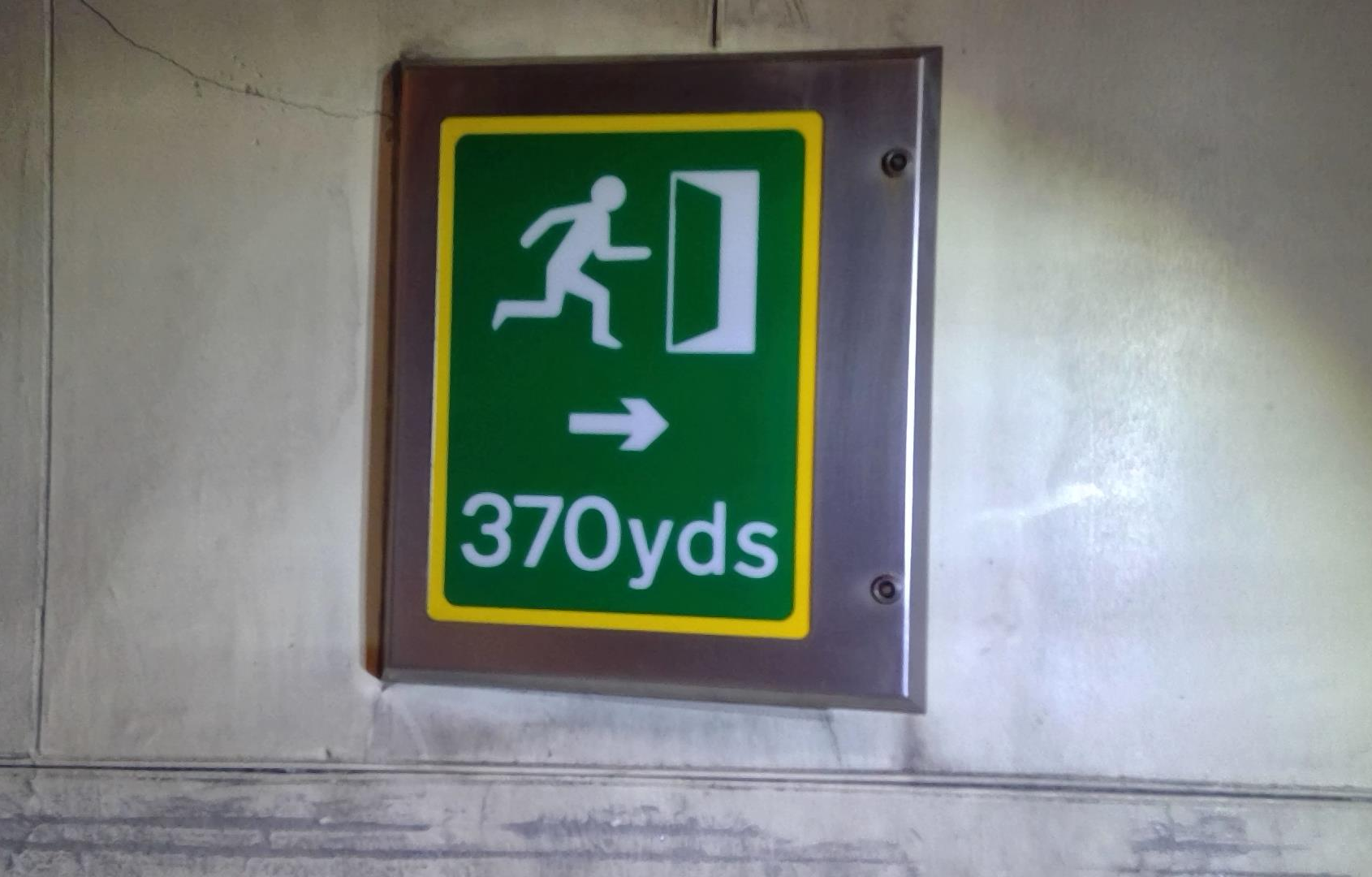
At Holmesdale Tunnel, McCann was initially asked to undertake a trial to establish a viable solution for the replacement of the existing RME units. The condition of the units meant that a straightforward replacement approach was not practical. Existing frames and fixings had deteriorated, with nuts and bolts spinning and no longer providing a secure fixing, with some of the existing signs missing or hanging on by cable ties, providing a safety risk for the road users.
Working with the project team and our supply chain, McCann designed, developed and trialled a repair methodology that allowed the existing units to be replaced and secured in situ rather than requiring a more time-consuming replacement approach.
The agreed solution involved drilling through the frame and installing several bolts and locking nuts with threaded stainless-steel fixings; the fixings were installed with a plastic bolt cover to reduce the chance of rust. This reduced the need to gain access behind the wayfinder backbox, reducing the working time from the original proposed methodology, and by not drilling through the existing structure it protected the integrity of the fire-protected wall.
The modification was undertaken under the supervision of the tunnel supervisor and was reviewed and approved before being rolled out across the remaining units. The successful trial gave CPS confidence in the approach and allowed the wider works to proceed efficiently.
The result was a repair solution that reduced the time required to complete the RME works by around 50% and provided a long-term installation solution for the RME signs.
Cable tray replacement
The works also included the removal and installation of cable trays at Holmesdale Tunnel. Where existing trays were suitable, they were assessed before being retained. Where trays were damaged, deteriorated or non-existent, they were removed and replaced.
New hot-dip galvanised cable trays were installed, with existing cables secured to the new tray infrastructure. In locations where existing trays had deteriorated significantly, the new system provided a secure and robust route for the existing cabling.
Due to the presence of tunnel dust and the tightness of the enclosed working space when working, appropriate dust management measures were implemented. Oxygen-fed face masks were used where required, especially when working on the cable tray replacements.
Efficient Planning and Traffic Management
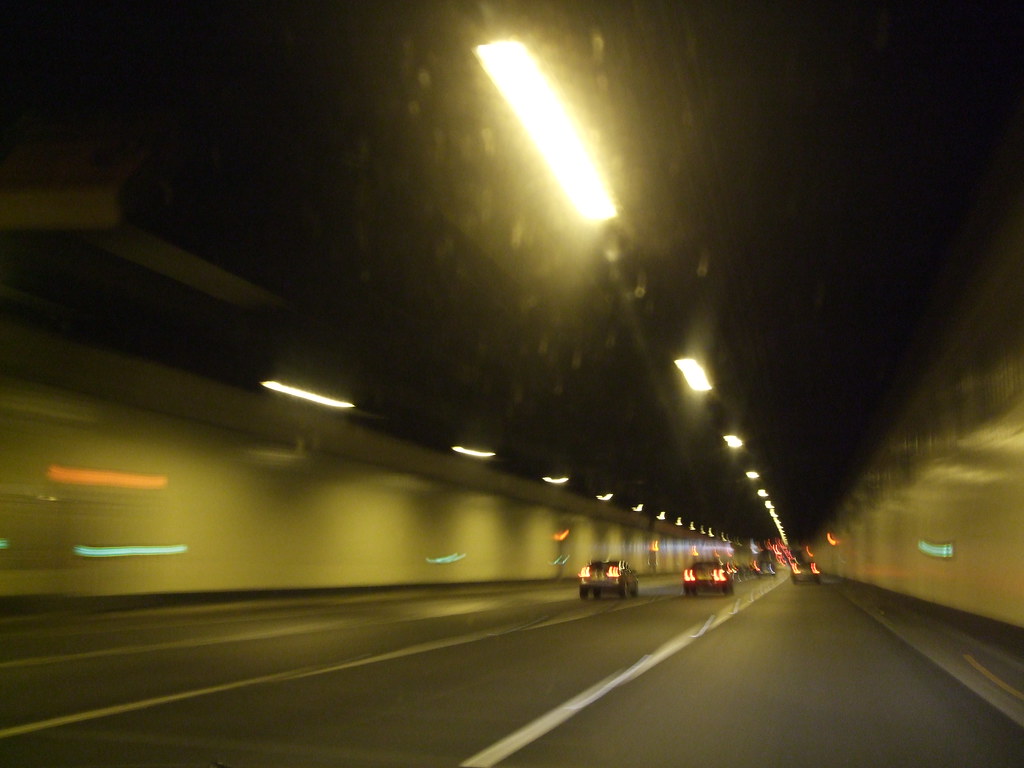
The project involved working within operational motorway tunnels, where carefully controlled traffic management arrangements were in place. All work was undertaken on night shifts utilising planned full tunnel closures that were shared with other contractors and projects within the area.
The tunnel was effectively managed on a shared basis, with clear boundaries established for where McCann’s team could work. The team worked within these agreed limits, with information communicated through email updates and site briefings. This approach enabled the workforce to maximise the available closure time while maintaining safe separation from other activities. McCann’s Project Manager developed the traffic management requirements needed for the works. The programme was then coordinated with CPS to identify suitable closure dates and maximise the productive use of each shift.
This lean approach to planning helped the project team make the most of restricted night-time working windows.
Strong working relationships
A strong working relationship between McCann and CPS was central to the success of the project. From the initial trial through to the completion of the wider works, both parties worked collaboratively to identify practical solutions and maintain progress.
McCann’s team was trusted to make decisions on site where existing conditions differed from the available information. These decisions were then communicated through site reports and discussions with CPS’s project and tunnel management teams.
The approach created a positive working relationship built on trust, communication and technical confidence.
Project Delivery
The programme was delivered ahead of schedule. The ability to identify and trial solutions early, combined with efficient traffic management, collaborative working and empowered site-based decision-making, enabled McCann to maximise productivity during restricted tunnel closures.
Programme Performance
Location Planned Duration Actual Delivery
Hatfield Tunnel 20 days 12 night shifts
Holmesdale Tunnel 50 days 6 weeks
Bell Common Tunnel 6 weeks 5 weeks
The project provided valuable insight into working with existing tunnel infrastructure where available asset information may be limited. The team developed a stronger understanding of how individual tunnel lighting sections were powered, including how each section connected to the tunnel’s electrical pillars. This knowledge was important when isolating and replacing individual units safely.
The project also demonstrated the value of undertaking targeted trials before committing to a full installation methodology. The Holmesdale RME trial allowed McCann and CPS to validate the proposed solution, gain confidence in the methodology and then implement it across the wider works.
The CPS Tunnels programme demonstrates McCann’s ability to deliver complex electrical and tunnel infrastructure works safely and efficiently within challenging operational environments. Through early trials, innovative problem-solving, effective traffic management and close collaboration with the client, the team overcame uncertainty around existing infrastructure and delivered the works ahead of programme.